How to Be a Good Firefighter (Beyond Probation)
Getting hired and surviving probation prove you can do the job. They do not make you good at it. Good is a longer road, built over years, and it is mostly about things no certification measures. This one is different from the rest of our specialty guides. There are few hard facts to cite here, because the craft is experiential. What follows is what earns respect on a crew, drawn from how the fire service talks about its own.
A note on this article: unlike our certification and pay guides, this is experiential rather than fact-based. Treat it as mentorship, and weigh it against what the veterans at your own station tell you.
Master the base job before you chase the shiny stuff
Every rookie wants to get on a team. Hazmat, USAR, the rescue company. Slow down. The firefighters others actually trust are the ones who are excellent at the fundamentals first. Pulling the right line to the right spot. Throwing ladders clean. Making the door. Running a smooth, competent medical call at three in the morning.
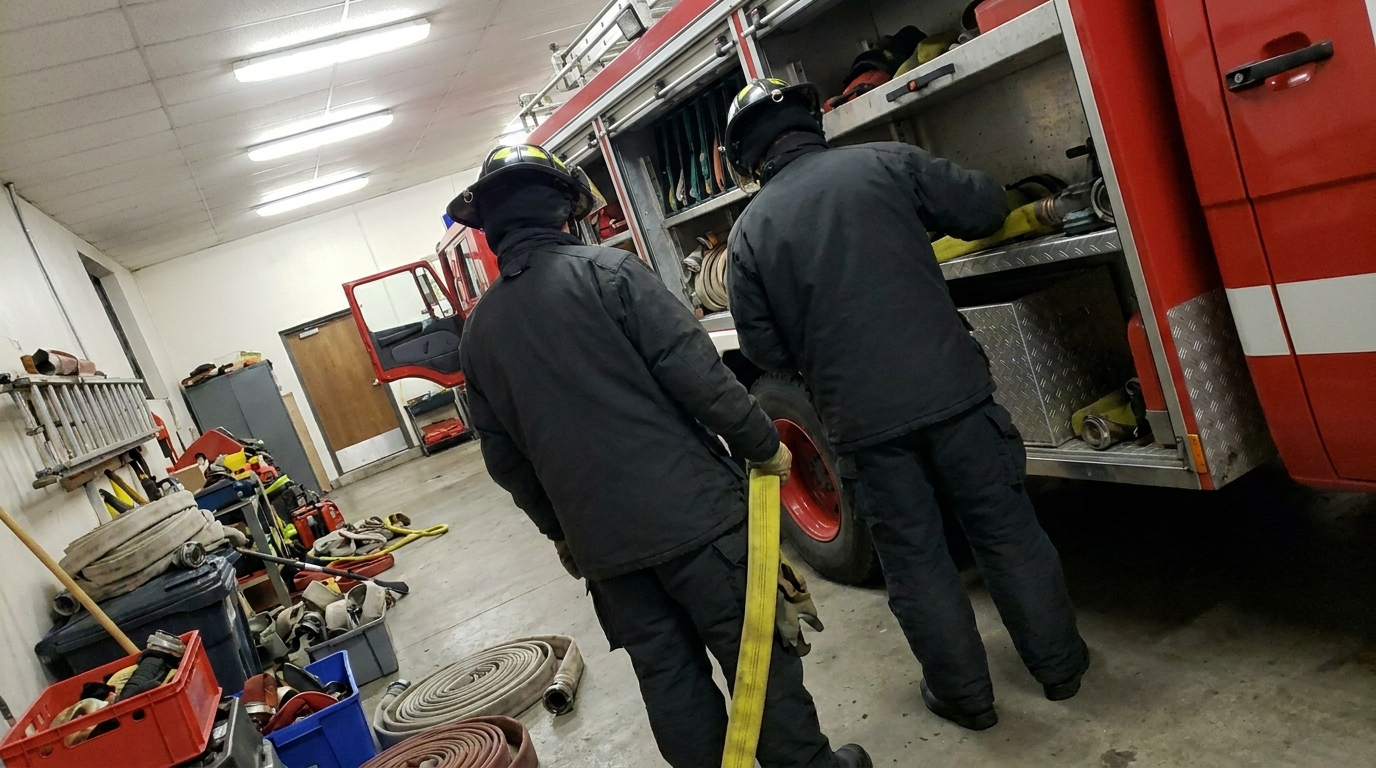
Mastery is boring on the surface. It is the same hose loads, the same knots, the same rig checks, done thousands of times until they are automatic. But automatic is the point. On a bad call you do not rise to the occasion. You fall back to your training. The firefighter who drilled the basics until they were reflex is the one who stays useful when it goes sideways.
Specialties come later, and they come easier once your foundation is solid. If you are eyeing a team, read How to Get on a Specialty Team, but build the base first.
Reliability is the whole reputation
Ask veteran firefighters what they want in a crewmember and you will hear the same word over and over: reliable. Not brilliant. Not the strongest. Reliable.
Reliability is showing up on time, every time, ready to work. It is doing the station chores without being asked. It is knowing where the tools are and having them ready before the officer calls for them. It is telling the truth when you made a mistake instead of hiding it. It is being the same person on day shift and night shift, on the easy calls and the ugly ones.
A crew is a small team that trusts each other with their lives. That trust is not built on one heroic moment. It is built on a thousand small ones where you did exactly what you said you would do. Your reputation is just the sum of those moments, and it travels. The fire service is a small world. People know who you are before you walk in the door.
Be genuinely useful around the station
The firehouse runs on more than calls. Someone cooks. Someone keeps the rig clean. Someone fixes the thing that broke. The firefighters others love working with are the ones who carry their share of that load without keeping score.
Learn to cook a meal the crew actually wants to eat. Do the dishes. Take the worst chore without complaining. When there is downtime, do something useful instead of disappearing. None of this is in a task book, but all of it is watched, and it shapes how people feel about pulling a shift with you. For the unwritten rules of firehouse life, read Fire Station Etiquette.
Never stop learning
The firefighters who stay good are the ones who stay curious. The job changes. Tactics evolve, tools change, medical protocols update. The ones who coast on what they learned in the academy fall behind and everyone notices.
Keep learning on purpose. Ask the senior firefighters why they do things the way they do. Study your response area so you know the buildings before you are inside them on fire. Read the after-action reports when things go wrong somewhere else, starting with the NIOSH firefighter fatality investigation reports, because those are lessons paid for by someone else. Pull the reference guides. Ask questions even when you think you should already know. The best firefighters ask more questions than the rookies, not fewer, because they know how much they do not know.
Chase your certifications and formal training too. Your task book is a starting line, not a finish line (see Firefighter Task Book Explained). But the deeper learning is the informal kind that never stops.
Take care of the body and the mind
You cannot do this job well for twenty or thirty years if you break down at ten. The good ones treat fitness as part of the job, not a hobby. They sleep when they can. They watch what the cumulative stress of the work does to them and their crewmates, and they do not pretend they are immune to it.
This is not weakness. It is the long game. The firefighter who manages their health and their head is the one still sharp and still standing at year twenty. If the mental side of the job is weighing on you or someone you work with, read Firefighter Mental Health. Taking care of yourself is part of being good at this.
Be the crewmember, not the character
Every station has the loud one who wants credit, the one who cuts corners, the one who is great when the chief is watching and useless when the chief is gone. Do not be any of them.
The firefighter others want beside them is steady. They do the work whether or not anyone is watching. They make the new person feel welcome instead of testing them for sport. They back up their officer and their crew. They own their mistakes and fix them. They are, quietly, the same person all the time. That consistency is the whole thing. It is what "good" actually means in this trade.
FAQ
How long does it take to become a good firefighter?
There is no set number, and anyone who gives you one is guessing. Competence in the basics comes in the first few years with real effort. The deeper craft, judgment, and reputation build over a career. The firefighters others call good never really stop working at it.
Is being a good firefighter about being the strongest or bravest?
No. Strength and courage matter, but the firefighters most respected by their crews are valued for reliability, judgment, and being genuinely useful. Trust is built on consistency, not on single dramatic moments.
Do I need specialties to be considered a good firefighter?
No. A skilled generalist who is excellent at the fundamentals and trusted by the crew is a good firefighter. Specialties add value, but they do not substitute for mastery of the base job or for reliability.
How do I build a good reputation as a new firefighter?
Show up ready, do the fundamentals well, carry your share of the station work, tell the truth about mistakes, and keep learning. Reputation is just the accumulation of small consistent actions, and in a small profession it travels fast.
What is the most important habit for a firefighter?
If it comes down to one thing, it is reliability. Being the person your crew can count on, every shift, on the good calls and the bad ones. Everything else grows out of that.
How do I stay in shape and avoid injuries as a firefighter?
The CPAT gets you hired; staying fit is what keeps you working for a full career. Sprains, strains, and cardiac events drive most firefighter injuries, and consistent training pushes back on all three. Build a steady routine of strength, cardio, and mobility work, and do not skip recovery and sleep. Treat fitness as part of the job, not a hobby. Confirm any department wellness or fitness program and requirements with your department.
Where to go from here
Being good at this job is a long, quiet project, and it never fully ends. Master the fundamentals, be reliable, stay useful, keep learning, and take care of yourself so you can do it for the long haul. When you are ready to grow into a specialty, read Fire Service Specialties Explained. And talk to the veterans at your station. They are the real source here.
Sources
This article is experiential mentorship rather than fact-based reporting, so it leans lightly on external citations. For the lessons-learned habit above, see the NIOSH Fire Fighter Fatality Investigation and Prevention Program reports, which document line-of-duty deaths and serious injuries so other crews can avoid them. The best sources for the rest of this material are the senior firefighters and officers at your own department. For the related topics referenced above, see our guides on Fire Station Etiquette, the Firefighter Task Book Explained, and Firefighter Mental Health.
Golden State Firefighter is an independent resource and is not affiliated with any fire department or agency. This article reflects general fire service experience and culture, not formal standards. Practices vary by department. Learn your own department's expectations from its members.