Fire Service Specialties Explained (California Guide)
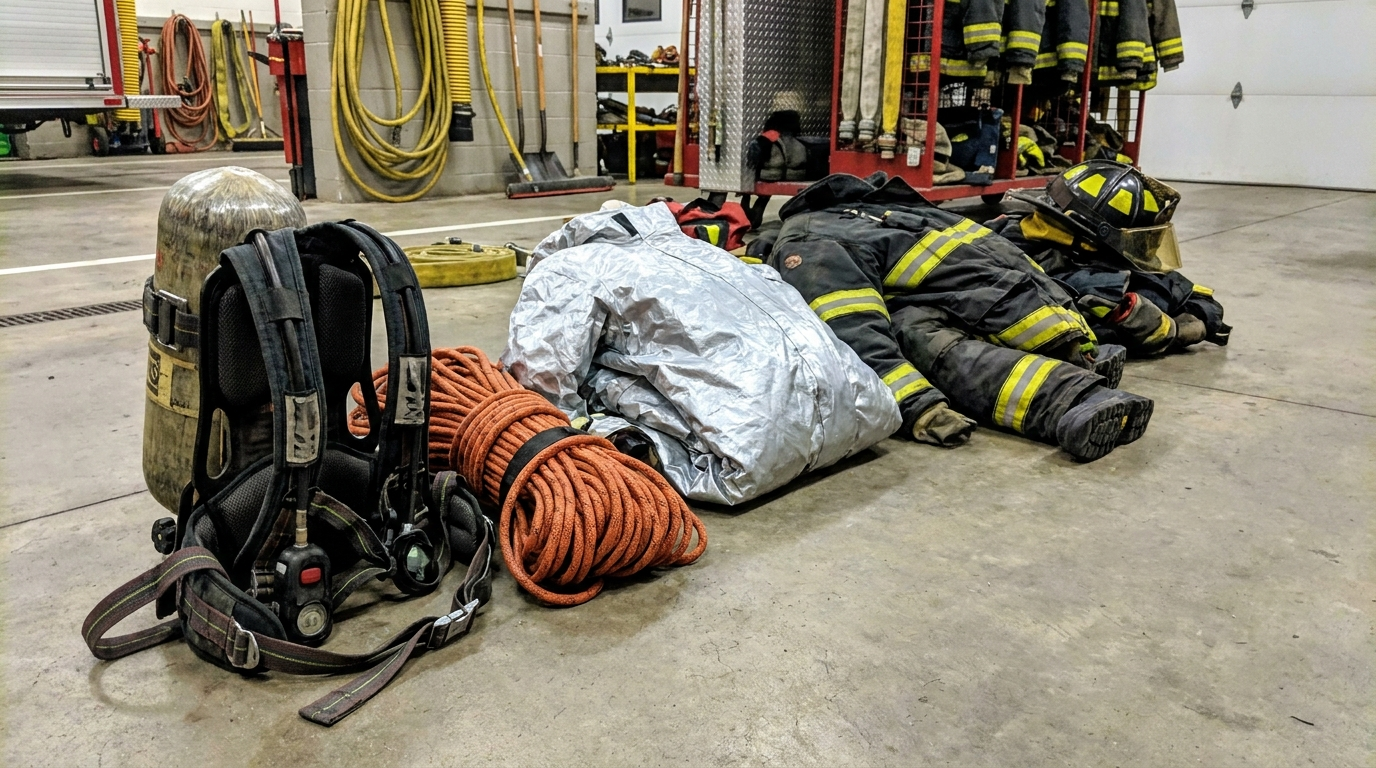
Once you clear probation and settle into the job, you start hearing about the teams. The medics, the hazmat guys, the rescue people who train on ropes all day. These are the fire service specialties, and they shape how a career unfolds. This guide walks through the main paths in California, what each one asks of you, and how to think about picking one.
What "specializing" actually means
Every firefighter is a generalist first. You learn to pull hose, throw ladders, force doors, and run medical calls. A specialty is an added skill set layered on top of that foundation. You keep doing the base job. You just carry extra certifications, extra training hours, and sometimes extra pay. When those certifications cost you money the department does not cover, see which job expenses California still lets firefighters deduct.
Specialties matter for three reasons. They make you more useful on scene. They can raise your pay through incentives (amounts vary by department, confirm with yours). And they open doors to promotion, because captains and chiefs often come up through a technical background. You do not need a specialty to have a good career. But most firefighters end up drawn to at least one.
The main paths
Paramedic (fire-based EMS)
The single most common specialty in California is the firefighter paramedic. Most calls a fire department runs are medical, not fire, so departments lean hard on medics. You carry a state paramedic license through the California Emergency Medical Services Authority (EMSA), plus local accreditation from the county EMS agency where you work.
Becoming a medic takes a paramedic program, a national exam, and a real commitment to keeping the license current. Many departments pay a paramedic incentive on top of base salary, though the amount varies widely. Some pay a flat monthly figure, some pay a percentage. Confirm the number with your department. If you want the full breakdown, read Should You Become a Firefighter Paramedic?.
Urban search and rescue (USAR)
USAR teams handle collapsed buildings, trench failures, and large disaster scenes. California is home to eight of the nation's 28 FEMA Urban Search and Rescue Task Forces, more than any other state, and they draw firefighters from local departments who have built the right training and reputation. This is heavy, technical work: shoring, breaching concrete, working in confined and unstable spaces.
Getting on a task force is competitive and takes years of groundwork. The certifications and the path to a seat are covered in How to Get on a Specialty Team.
Hazardous materials (hazmat)
Hazmat responders deal with chemical spills, leaks, and unknown substances. California runs a tiered certification system: awareness, operations, technician, and specialist. Awareness and operations are baseline skills most firefighters hold. Technician and specialist are the specialty levels, and California's standards for those are among the strictest in the country, trained largely through the California Specialized Training Institute (CSTI).
Hazmat techs wear the fully encapsulated suits, run air monitoring, and manage decontamination. Many departments pay a hazmat incentive. It is detail-oriented, science-heavy work that suits people who like procedure and precision.
Wildland fire
In California, wildland is less an optional specialty and more a fact of the job. Every structural firefighter runs some wildland assignments. But there is a deeper track: crews and overhead positions with NWCG certifications like S-130 Firefighter Training, S-190 Introduction to Wildland Fire Behavior, and beyond, plus the qualifications to hold command roles on large incidents.
If you work for CAL FIRE, a federal agency, or a department that deploys on mutual aid to major fires, building wildland qualifications is a real career path. It can mean long deployments away from home during fire season, so weigh the lifestyle honestly.
Technical rescue
Technical rescue is an umbrella for the rope, water, confined space, and trench disciplines. Departments often organize these under a rescue company or a rescue systems team. You train on high-angle rope rescue, swiftwater (a big deal in flood-prone parts of California), confined space entry, and structural collapse.
Technical rescue and USAR overlap heavily. Many task force members build technical rescue skills first. If you like problem-solving under pressure with ropes and rigging, this is the track.
Arson and fire investigation
Fire investigation is a different animal. Investigators determine origin and cause, and in many cases the work crosses into law enforcement. Some investigators are sworn peace officers who carry a badge, make arrests, and testify in court. It is less about the fireground and more about evidence, documentation, and casework.
This path usually comes later in a career, and it suits people who are patient, methodical, and comfortable with the legal side. Requirements vary by department and often involve POST certification for the law enforcement authority.
How specializing shapes a career
A specialty is a long-term bet, so think about what fits you.
- Paramedic is the safest bet for versatility and hireability. Many departments now require it or strongly prefer it.
- USAR and technical rescue reward people who love hands-on, physical, problem-solving work and are willing to grind for a spot.
- Hazmat rewards the detail-oriented and procedure-driven.
- Wildland is unavoidable in California and can become a full career track, with a seasonal lifestyle tradeoff.
- Investigation suits the patient and methodical, usually later in a career.
You are not locked in. Plenty of firefighters carry two specialties, or move from one to another over twenty years. Start with what interests you, get good at the base job first, and let the rest develop.
FAQ
Do I have to specialize to have a good firefighting career?
No. A skilled generalist firefighter has a full, respected career. Specialties add value and often pay, but they are optional at most departments. Some departments do require paramedic certification to be hired, so confirm that with the agencies you are targeting.
Which specialty pays the most?
It varies by department, and there is no single answer. Paramedic, hazmat, and USAR assignments commonly carry incentive pay, but the structure differs everywhere. Some pay a percentage of base, some a flat amount. Confirm with your department.
Can I hold more than one specialty?
Yes. Many firefighters are medics and also carry hazmat or technical rescue qualifications. USAR task forces in particular pull people who have stacked several skill sets.
When should I pick a specialty?
Get through probation and get solid on the base job first. Most firefighters explore specialties in their second or third year, once they have a feel for the work and know what draws them.
Is wildland really a specialty in California?
Every California firefighter does wildland work, so the baseline is not optional. The specialty version means advanced certifications and command qualifications for large incidents, which is a deeper commitment and a distinct career track.
Where to go from here
Pick the path that genuinely interests you and start building toward it. If you are leaning medical, read Should You Become a Firefighter Paramedic?. If you are drawn to rescue and disaster work, read How to Get on a Specialty Team. Talk to people on the teams at your department. They will tell you what the work is actually like.
Sources
- California EMSA, Paramedic Licensure
- Cal OES, State and National Urban Search and Rescue Task Forces (eight California task forces of 28 nationally)
- Cal OES / CSTI, Hazardous Materials Program
- National Wildfire Coordinating Group (NWCG); S-130 Firefighter Training; S-190 Introduction to Wildland Fire Behavior
Golden State Firefighter is an independent resource and is not affiliated with any fire department or agency. Specialties and requirements vary by department. Confirm all details with your department.