Is Being a Firefighter Worth It? Rewards, Costs, and Fit
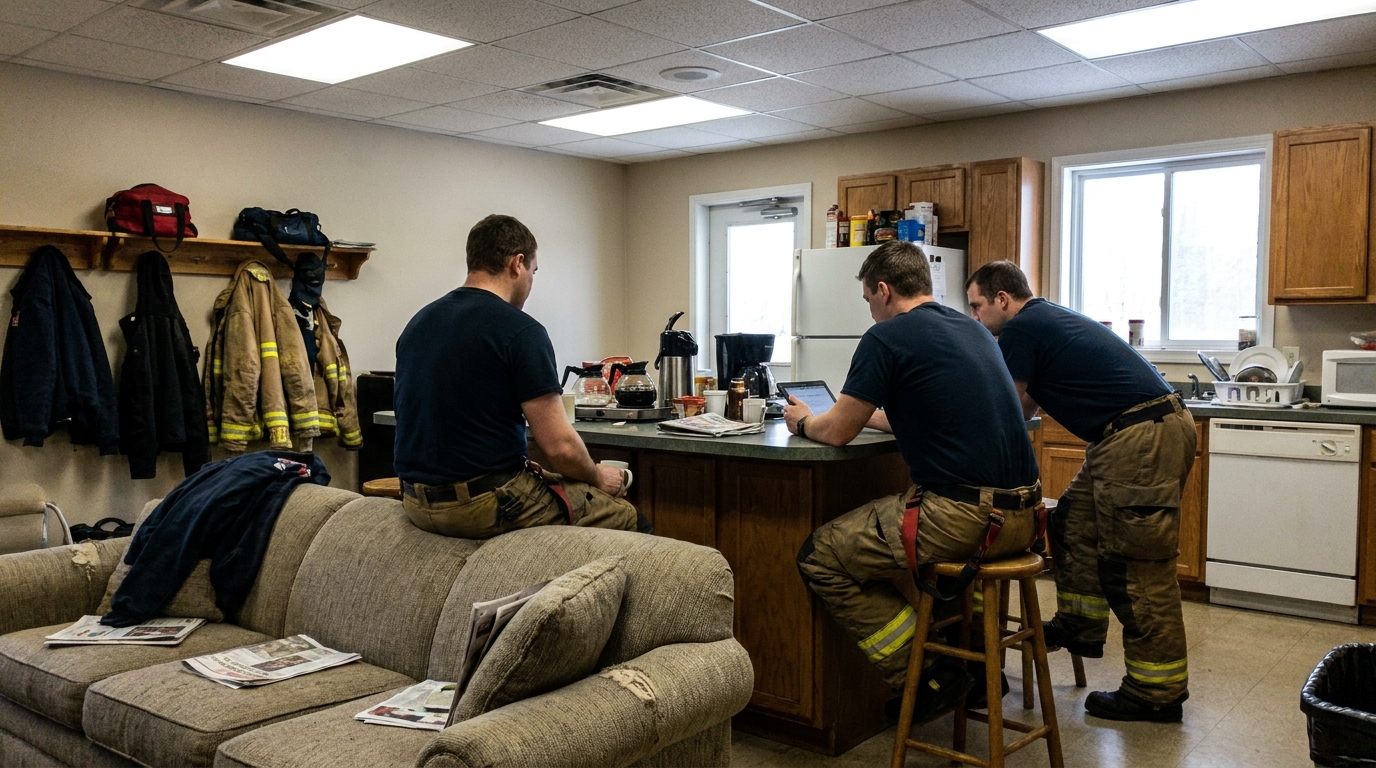
If you are asking whether being a firefighter is worth it, you are asking the right question before spending years chasing the badge. This covers the rewards, the costs, and who the job actually fits. No hype, no promises. Just what the work asks of you and what it gives back.
The short answer
For the right person, yes. For a lot of people, no. The pay and benefits in California are strong, the work matters, and the schedule gives you real time back. But the path in is long and very competitive, the schedule pulls you away from home for long stretches, and the job carries physical and mental weight that never fully goes away.
Worth it is not a fact. It depends on what you want out of a career and what you are willing to trade for it. Read the rest of this with your own life in mind.
The real rewards
The work means something. You show up on people's worst days and you help. That is not a small thing, and most firefighters will tell you it is the part that keeps them in the job for 25 or 30 years.
The pay and benefits are solid. California firefighting pays well compared with many careers that do not require a four-year degree. Base pay varies widely by department and region, and overtime can add a meaningful chunk on top. Benefits commonly include a defined-benefit pension, health coverage, and a deferred compensation plan whose fees are worth auditing before you sign up with a vendor. For the full picture, see the California firefighter salary breakdown. Treat any number you read as a range to confirm with the department, not a promise.
The schedule gives you time. Most career departments run long shifts with multiple days off in between. That means stretches of days at home, side projects, and being around for your family in ways a nine-to-five does not allow. See how the firefighter schedule actually works for the tradeoffs.
The crew becomes family. You live, cook, train, and run calls with the same people for 24 or 48 hours at a time. The bond is real, and for many it is one of the best parts of the job.
The real costs
Be honest with yourself about all of these before you commit.
It is very competitive and it takes years
This is the part people underestimate most. A single entry-level opening can draw hundreds or thousands of applicants. Most people do not get hired on their first try, or their fifth. It commonly takes three to five years of testing, volunteering, and building your resume (EMT, then often paramedic, plus a fire academy and a CPAT card) before an offer comes. Some strong candidates take longer. If you need a job this year, this is not that path.
The schedule cuts both ways
The same long shifts that give you days off also mean you miss birthdays, holidays, and ordinary weeknights at home. You will sleep at the station, and on a busy night you may not sleep much at all. Partners and kids feel it too.
The danger is real
Firefighters get hurt. The job carries risk from fire, collapse, vehicle traffic on roadways, and long-term exposure to smoke and chemicals. California also runs a long, hard wildfire season. Departments train hard to manage these risks, but they do not disappear.
The mental toll is real too
You will see things most people never see. Cumulative stress, sleep disruption, and critical incidents take a toll over a career. The fire service has gotten more serious about mental health and peer support, but the weight is part of the job. Go in with your eyes open.
The body pays over time
Interrupted sleep, physical strain, and exposure add up across decades. Staying in the job long-term takes deliberate work on fitness, diet, and recovery.
Who the job actually fits
The people who thrive tend to share a few traits. See if they sound like you.
- You are steady under pressure and can think while others panic.
- You like working with your hands and solving problems in the moment.
- You want to help people directly, not from behind a desk.
- You can handle a team living in close quarters, including the boring parts and the personalities.
- You are patient enough to grind through a multi-year hiring process without a guarantee at the end.
- You take care of your body and plan to keep doing so.
If most of that fits, the job may be worth the cost for you. If the multi-year competition or the time away from home is a dealbreaker, that is useful to know now, before you invest.
How to test it before you commit
You do not have to guess. Get close to the work first.
- Ride along with a local department if they offer it.
- Talk to two or three working firefighters and ask them the hard questions, including what they would change.
- Take an EMT course. It is the first real step and a good filter for whether the medical side suits you.
- Compare the two main California paths so you know what you are aiming at: CAL FIRE versus a city or county department and engine company versus truck company work.
FAQ
Is firefighting worth it financially in California? For many, yes. California firefighting pays well relative to its education requirements, and overtime and benefits add to it. But pay varies a lot by department and region, and it takes years to get hired and reach top-step pay. Confirm current numbers with the department and salary tables.
How long does it take to get hired as a firefighter in California? There is no set timeline, but three to five years from your first EMT class to a job offer is common, and some take longer. It is a competitive process, not a guaranteed one.
Is being a firefighter dangerous? Yes, there is real physical risk, plus long-term health and mental-health considerations. Departments train and equip crews to manage those risks, but they are part of the job.
Do I need a college degree to be a firefighter in California? Usually not a four-year degree. Most paths require a high school diploma or GED, an EMT certification (often paramedic), and a fire academy, though requirements vary by department. Confirm with each department.
How do I know if I would actually like it? Take an EMT course, ride along with a department, and talk to working firefighters. Those three steps tell you more than any article can.
Is being a firefighter worth it? For the right person, yes. The pay, the pension, and the sense of purpose are real, and the schedule gives you big blocks of time off. But you weigh those against long stretches away from home, chronic sleep loss, and the cumulative physical and mental trauma the job carries over a career. Worth it is not a fact, it is a trade. Pay and pension details vary by department, so confirm them with the department, and go in clear-eyed about the costs before you commit years to the path.
Where to go from here
If none of that scared you off, the next move is to see where you stand and map your path. Start with the free EMT-to-Badge Roadmap, or take two minutes with the Where am I? tool to figure out your next step. Go in clear-eyed, and the decision is yours to make.
Sources
- Firefighter Candidate Testing Center (FCTC): CPAT (the standard California physical ability test in the hiring path)
- Join CAL FIRE (state firefighting entry path and requirements)
- Transparent California (public firefighter pay and benefits data to sanity-check any salary claim)
Golden State Firefighter is an independent resource. We are not affiliated with CAL FIRE, the FCTC, or any fire department. Verify all details with the department you are applying to, and understand that no career outcome is guaranteed.