Wildland Firefighter Career in California
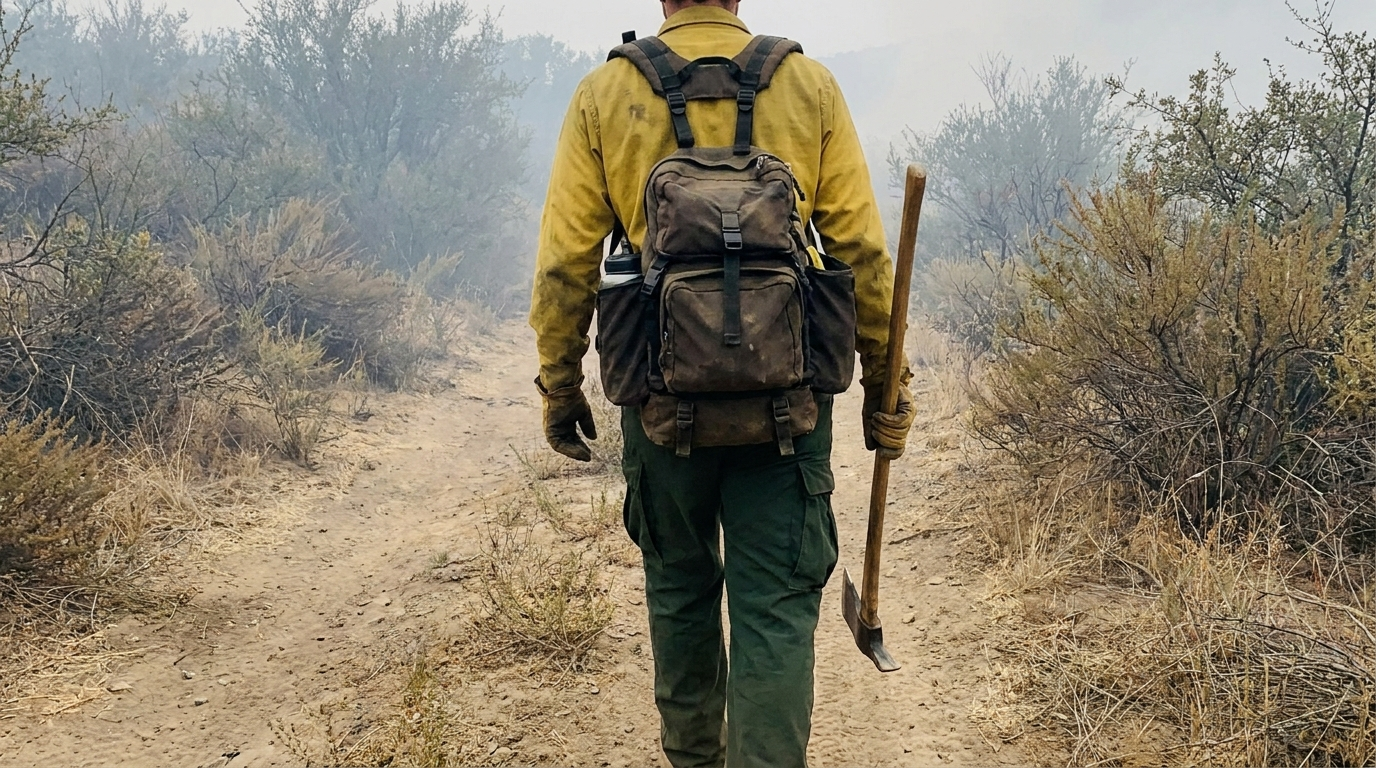
In California, every structural firefighter touches wildland work. But there is a whole separate world built around it: seasonal crews, federal engines, and the hotshots who chase the biggest fires in the state. This guide walks through the wildland path, how it differs from the structural job, and the tradeoffs to weigh before you commit to it.
Wildland versus structural: two different jobs
Structural firefighting is what most people picture. Engines, hydrants, house fires, and medical calls out of a fixed station. Wildland is different work. You are cutting line with hand tools, running chainsaws, hiking into terrain with a heavy pack, and fighting fire across brush, grass, and timber for hours or days at a time.
The pace is different too. Structural work is short bursts of intensity between calls. Wildland is sustained physical labor, often on 24-hour shifts or multi-day assignments far from home. Both are demanding. They just demand different things. Plenty of firefighters do both over a career, and in California the line between them blurs during fire season.
If you are still mapping out the specialties, start with Fire Service Specialties Explained.
The CAL FIRE path
CAL FIRE is the state agency responsible for wildland fire protection across roughly 31 million acres of California. For most people, the entry point is the seasonal classification called Fire Fighter I (FFI).
Fire Fighter I is CAL FIRE's seasonal, entry-level firefighting classification. You must be at least 18 at the time of appointment, pass a physical and medical exam, and be willing to live in remote areas and work weekends and holidays. Employment can run up to nine months depending on the length and intensity of the fire season, and hiring often begins in the spring though it can start earlier. (Join CAL FIRE, Fire Fighter I)
The application window matters. CAL FIRE typically accepts Fire Fighter I applications during a set period each year (recent cycles have opened in November), and you submit one statewide application package to be considered for positions across the state. (Join CAL FIRE, Fire Fighter I) Confirm the exact current dates and required documents on the official CAL FIRE site before you apply, because the process and forms change.
From seasonal FFI, the path can lead to permanent classifications like Fire Apparatus Engineer and beyond. CAL FIRE is both a wildland agency and a structural fire department under contract in many counties, so a CAL FIRE career can carry you through both worlds. Pay and advancement vary by assignment and by year, so confirm current figures with CAL FIRE directly rather than trusting secondhand numbers.
The federal path (USFS and others)
The other major wildland employer is the federal government, primarily the U.S. Forest Service, but also the Bureau of Land Management, the National Park Service, and other Department of the Interior agencies. Federal jobs are posted on USAJobs.gov, and postings for a summer season typically appear in the late fall and winter before it. (U.S. Forest Service, Wildland Firefighter Hiring)
To be hired you must be a U.S. citizen or national, at least 18 years old, and able to pass the Work Capacity Test (the "pack test") at the arduous level, which means hiking three miles carrying a 45-pound pack within a set time. (NPS, Wildland Firefighter Applicant Info) You will also complete basic wildland courses like S-130 Firefighter Training and S-190 Introduction to Wildland Fire Behavior. Positions are subject to drug testing.
Entry-level federal firefighting jobs on hand crews and engines generally fall in the lower federal pay grades (roughly GS-3 to GS-5, varies by role and location). (U.S. Forest Service, Wildland Firefighter Hiring) Federal wildland firefighter pay has been the subject of recent reform efforts, so confirm current rates on USAJobs rather than relying on older figures.
Hotshots and specialized crews
Interagency Hotshot Crews (IHCs) are 20-person crews built for the most demanding fireline assignments. They travel constantly during the season and hold a high standard for fitness, experience, and discipline. Most hotshot crew members have several seasons of wildland experience before they are selected. (U.S. Forest Service, Wildland Firefighter Hiring) Hotshots are a goal you build toward, not an entry point.
There are other tracks too: engine crews, helitack, smokejumpers, and fuels and prevention work. The qualification system runs on National Wildfire Coordinating Group (NWCG) standards, which define positions and the training and experience each one requires. (NWCG)
Seasonal versus permanent
This is the heart of the wildland decision. Most entry-level wildland jobs, state and federal, start seasonal. That means a defined stretch of work (often spring through fall) and then a layoff or a gap until the next season.
Seasonal work is a real way in. Many career firefighters started with a season or two on a crew. But building it into a permanent, year-round career takes time, repeated seasons, strong evaluations, and a willingness to be flexible about location. Federal apprenticeship programs exist to move people toward permanent seasonal positions with benefits, but seats are limited and competitive. (U.S. Forest Service, Wildland Firefighter Hiring)
Weigh the lifestyle before you commit. Fire season means long deployments away from family, unpredictable hours, and physical wear. Some people love the rhythm of it. Others use a season or two as a stepping stone into a municipal structural department. Both are valid.
How to enter
There is no single door, but the common moves are:
- Get fit first. The pack test and the daily grind are real. Train for sustained hiking under load, not just sprints.
- Take the basic courses. S-130 and S-190 (often bundled and offered through community colleges and fire academies) are the baseline. Some programs add S-131 and S-133.
- Apply in the right window. State and federal hiring both run on fixed timelines that open months before the season. Missing the window means waiting a year.
- Build a season, then decide. One season teaches you whether the work fits you better than any article can.
If you want to understand how wildland qualifications fit into the larger specialty-team picture, read How to Get on a Specialty Team.
FAQ
Do I need a college degree to be a wildland firefighter?
No. Entry-level state and federal wildland jobs do not require a degree. They require the minimum age, physical fitness to pass the arduous pack test, and the basic wildland courses. A degree can help later for advancement, but it is not the entry barrier.
Is wildland firefighting only seasonal?
Most entry-level jobs start seasonal, but permanent year-round positions exist and many careers build toward them. Reaching a permanent role usually takes several seasons, strong performance, and flexibility on location. Confirm current opportunities with the specific agency.
What is the pack test?
The Work Capacity Test at the arduous level requires hiking three miles carrying a 45-pound pack within a set time limit. It is a condition of employment for arduous-duty federal wildland positions. Train for it well before test day.
Can I do both wildland and structural firefighting?
Yes, and in California many firefighters do. CAL FIRE itself covers both wildland and structural roles, and municipal firefighters deploy on mutual aid to major wildfires. The skills overlap more here than in most states.
When do I apply for wildland jobs?
Both state and federal hiring run on fixed windows that open months before fire season, often in the fall and winter. Check the official CAL FIRE site and USAJobs.gov for current dates, because missing the window means waiting for the next cycle.
How do I become a seasonal CAL FIRE firefighter?
The entry point is the seasonal Fire Fighter I classification. CAL FIRE typically opens applications in the fall, with recent cycles opening in November, and hires roughly from spring into early summer. Fully trained Category 1 candidates, those who already hold Firefighter 1, are generally hired first. This is time-sensitive, and one statewide application package covers positions across the state. Dates and requirements change, so confirm the current window and required documents on the official CAL FIRE site before you apply.
How do I become a wildland firefighter in California?
There are two main paths. The state path runs through CAL FIRE, usually starting with the seasonal Fire Fighter I job. The federal path runs through the U.S. Forest Service and BLM, along with other Interior agencies, and is posted on USAJobs. Both commonly start seasonal, require you to be at least 18 and pass an arduous fitness test, and open their hiring windows months before fire season. Requirements and timelines vary by agency, so confirm the current details with CAL FIRE or the federal agency.
How much do wildland firefighters make in California?
Entry-level wildland pay is modest. Federal hand-crew and engine jobs have historically sat in the lower federal pay grades, landing many California firefighters around $26 an hour with recent federal pay reforms still in motion. Seasonal earnings swing a lot with fire activity and overtime, so a heavy fire year pays very differently from a quiet one, and a heavy overtime year is where the federal overtime deduction and its cap matter most. Pay changes often, so confirm current rates with the hiring agency, whether that is CAL FIRE or a federal agency, rather than trusting older figures.
Where to go from here
If wildland fire pulls at you, get fit, take the basic courses, and apply in the next open window. Start with a season and learn the work firsthand. Then decide whether you want to build a wildland career, move toward a structural department, or carry both. To see how this path sits alongside the others, read Fire Service Specialties Explained.
Sources
- Join CAL FIRE, Fire Fighter I classification
- U.S. Forest Service, Wildland Firefighter Hiring
- National Park Service, Wildland Firefighter Applicant Info (pack test standard)
- National Wildfire Coordinating Group (NWCG)
Golden State Firefighter is an independent resource and is not affiliated with any fire department or agency. Requirements, pay, and hiring timelines vary by agency and change over time. Confirm all details with CAL FIRE, the federal agency, or your department.