Should You Become a Firefighter Paramedic?
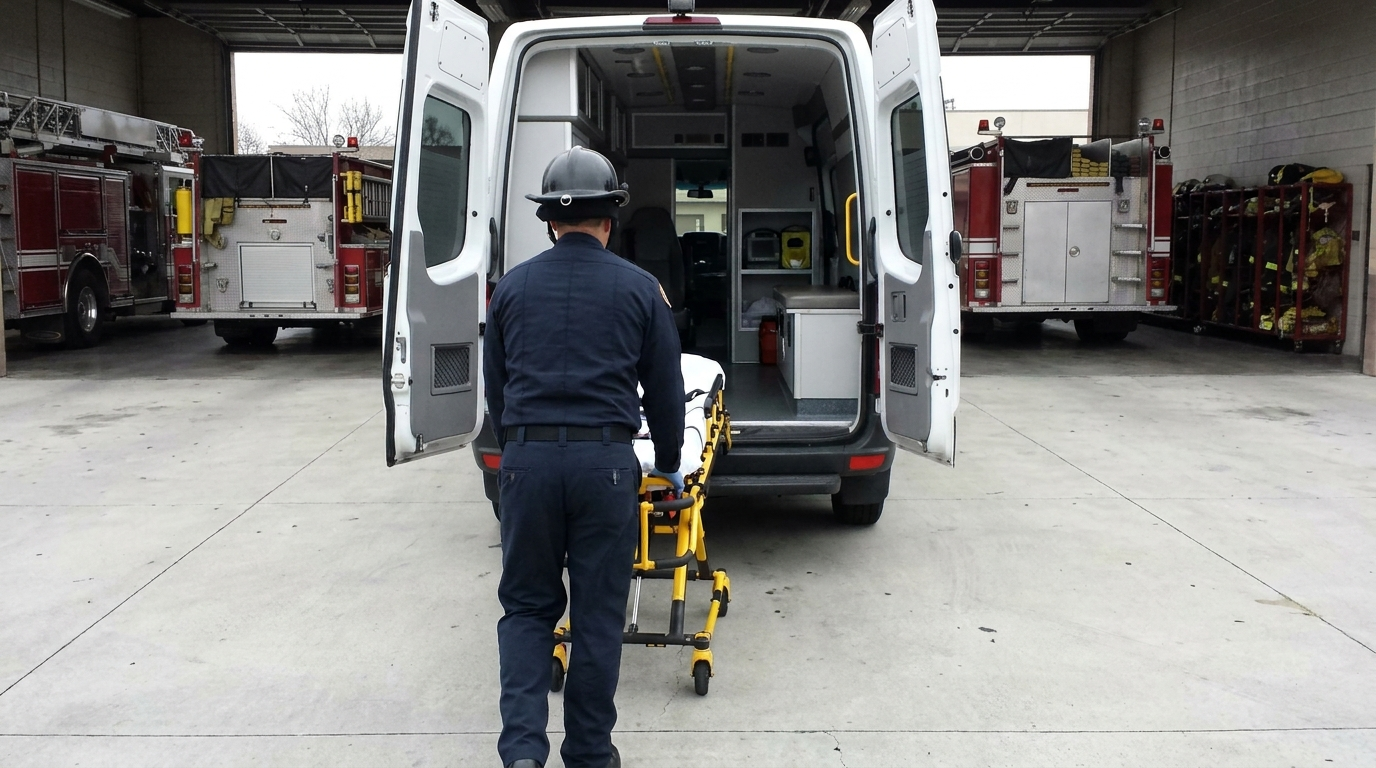
The firefighter paramedic is the backbone of modern fire-based EMS. In most California departments, the majority of calls are medical, so medics carry a heavy share of the workload. This article lays out the real pros and cons, what the license actually takes, how the pay incentive works, and who the role suits.
Why so many California firefighters are medics
Fire departments run far more medical calls than fires. Chest pains, falls, car wrecks, overdoses, difficulty breathing. To meet that demand, departments staff paramedics on engines and trucks, not just ambulances. That makes the medic one of the most useful people on any crew.
Because of that demand, many California departments either require paramedic certification to be hired or give strong preference to candidates who have it. If you are still trying to get hired, the medic path can be the thing that moves your application to the top of the pile. If you want the wider view of specialties first, read Fire Service Specialties Explained.
The pros
- Hireability. Being a medic makes you more competitive for hiring and lateral moves. Some departments will not look at you without it.
- Pay incentive. Many California departments pay a paramedic incentive on top of base salary. The amount varies (more on that below).
- You help people directly. On a medical call, your training is the difference. For a lot of firefighters, that is the most rewarding part of the job.
- Career flexibility. Medical skills carry across departments and open doors to USAR medical roles, training positions, and EMS coordination jobs later on.
The cons
- Heavy call volume. Medics run the most calls on the department. That means less sleep on busy shifts and more back-to-back runs.
- Emotional weight. You will see people on their worst day, including calls that stay with you. This is real and worth thinking about honestly.
- License upkeep. The paramedic license is not one and done. You renew it every two years and complete continuing education hours to keep it current. In California that is 48 hours of CE every two-year cycle.
- The school is hard. Paramedic programs are demanding, time-consuming, and often completed before or early in a fire career, which is already a busy time.
What it takes in California
Becoming a licensed, working paramedic in California is a multi-step process, and the local accreditation step trips people up if they do not plan for it.
- Graduate an accredited paramedic program. California requires graduation from a program accredited by CAAHEP on the recommendation of the CoAEMSP. These programs build on EMT certification and run several months to a year.
- Pass the national exam. You must pass the National Registry (NREMT) paramedic exam.
- Get your state license from EMSA. Apply to the California Emergency Medical Services Authority, which includes a background check and legal-presence documentation.
- Get local accreditation. This is the step people forget. A state license alone does not let you work as a medic in a given county. You must be accredited by the local EMS agency (LEMSA) for the county where you work before you can provide patient care. Each LEMSA has its own requirements, so confirm them with the agency where you plan to work.
After all that, you keep the license alive with renewals every two years and your CE hours.
How the pay incentive works
It varies, and there is no single statewide number.
Many California departments pay a paramedic incentive, but the structure differs everywhere. Some pay a percentage of base salary. Some pay a flat monthly or annual amount. As real examples, some departments structure the medic incentive as a single-digit percentage of base pay, while others attach a fixed dollar figure worth many thousands of dollars a year. State-level agreements have capped cumulative medical incentives at a set percentage of base pay in some cases.
Do not take any figure you read online as your number. Pull up the actual memorandum of understanding (MOU) or pay schedule for the specific department you are targeting, or ask their recruitment office. Confirm with your department.
One more note: some departments pay for or reimburse paramedic school, or offer a bump to lateral medics. That can change the math on whether the path pays off for you. Ask, and if the department does not reimburse, check which unreimbursed job expenses California still allows.
Who the medic path suits
The medic role fits you if:
- You are comfortable with medicine and want to be the person who acts when someone is dying.
- You can handle high call volume and the emotional side of the work.
- You want to maximize your hireability, especially in departments that require it.
- You are willing to keep up licensing and CE for your whole career.
It may not fit if you got into the fire service mainly for firefighting and rescue, dislike the classroom and paperwork side, or know the emotional weight of medical calls would wear on you. That is a fair, honest reason to choose a different specialty. If rescue and disaster work pull at you more, look at How to Get on a Specialty Team.
FAQ
Do I need to be a paramedic to get hired as a firefighter in California?
It depends on the department. Some require paramedic certification, some prefer it, and some hire firefighter-EMTs and sponsor them through medic school later. Check the requirements for each department you apply to.
How long does paramedic school take?
Programs generally run from several months up to about a year, after you already hold EMT certification. Length varies by program and whether you attend full or part time.
What is the difference between a paramedic license and local accreditation?
The state license from EMSA proves you are qualified statewide. Local accreditation is permission from a specific county EMS agency to actually practice there. You need both, and accreditation requirements vary by county.
How much is the paramedic pay incentive?
It varies by department, with no single statewide figure. Some pay a percentage of base salary, some a flat amount. Confirm the exact number with the department you are targeting by checking its MOU or asking recruitment.
Do I have to keep the license up forever?
Yes, as long as you work as a medic. California paramedic licenses renew every two years and require 48 hours of continuing education each cycle.
Should I become a firefighter/EMT or a firefighter/paramedic?
Both get hired, but a paramedic license gives you a real hiring edge, and in many big metros it earns extra points or is required outright. If you can carry the demanding medic school, it can move your application up the pile. A common smart path is to get hired as a firefighter-EMT first, then let the department sponsor you through medic school. Requirements and preferences vary by department, so check what your target agencies actually want before you commit the time.
Is getting my paramedic license before hire worth it?
It is worth it if your target department requires or prefers medics, which many California metros do. If not, it can be smarter to get hired as an EMT and let the department sponsor your medic school, since some pay for it. Paramedic programs are a big commitment, with costs commonly running anywhere from about $5,000 to $25,000 depending on the program. Confirm both the department's requirement and the current program cost before you spend the money.
Bottom line
The medic path is the most versatile specialty in the California fire service and often the most valuable for getting and keeping a job. It also carries the heaviest call load and real emotional weight. If that trade sounds right to you, start with EMT, get solid, and plan the medic school step. If you want to see how it fits the bigger picture, read Fire Service Specialties Explained.
Sources
- California EMSA, Paramedic Licensure (accredited program, NREMT exam, state license, local accreditation)
- California EMSA, Paramedic Recertification (two-year cycle, 48 hours of continuing education)
- National Registry of Emergency Medical Technicians (NREMT)
Golden State Firefighter is an independent resource and is not affiliated with any fire department or agency. Specialties and requirements vary by department. Confirm all details with your department.