How to Promote to Fire Captain in California
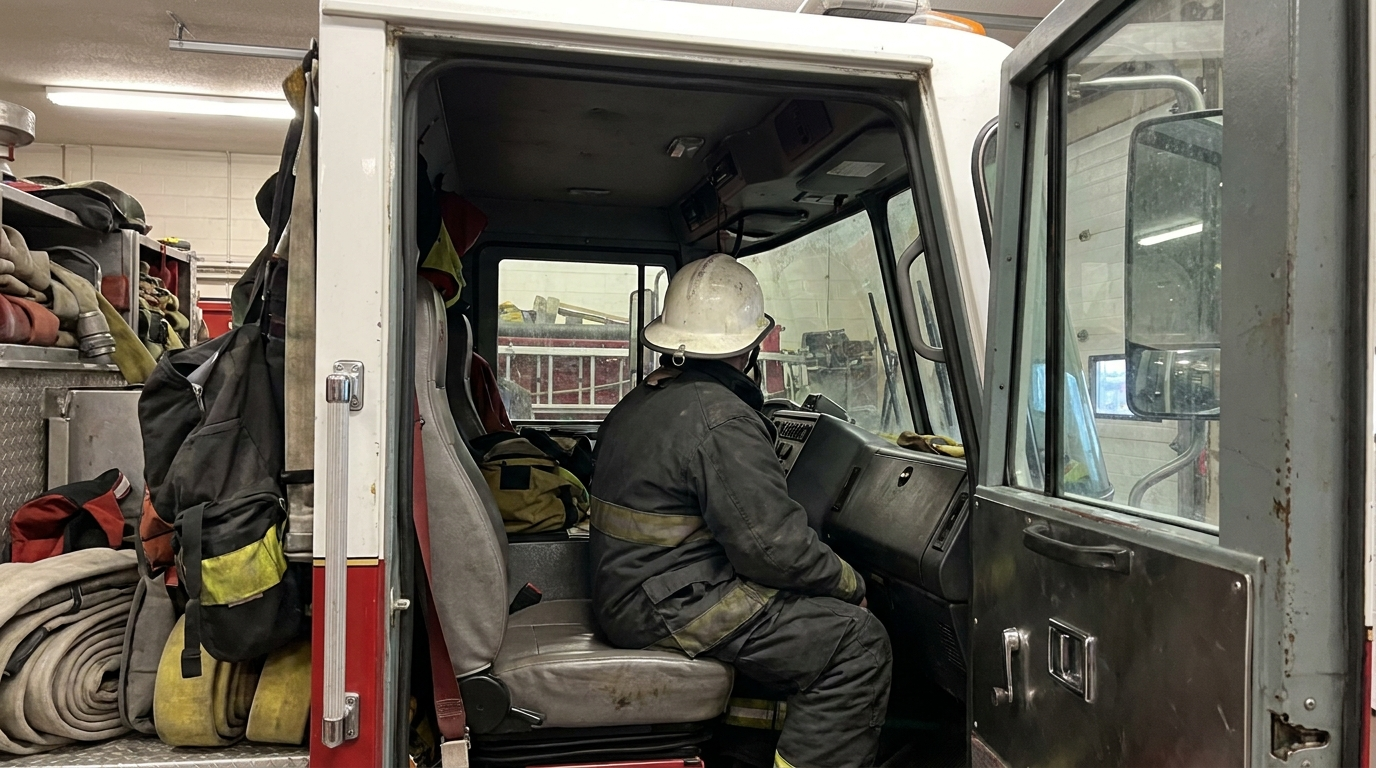
The captain promotion is the one that changes who you are on the job. You stop being one of the crew and become the person accountable for them, on the fire ground, in the station, and in the room when something goes wrong. Most engineers who test for captain prepare hard for the written exam and the certification. The ones who actually promote prepare for the assessment center, because that is what decides it. This guide covers the role, the Fire Officer 2 (formerly Company Officer) certification track, the assessment center most captain promotions turn on, and the leadership part that is not on any test. Requirements vary by department, so confirm the details with yours.
What a fire captain does
A captain is a company officer: the first-line leader of a fire company, usually an engine or a truck and its crew. The rank is a genuine shift in the job. As a firefighter or engineer, your responsibility ends roughly at your own performance. As a captain, you are responsible for everyone on your rig.
That responsibility shows up in three areas:
- On the fire ground: you size up the scene, make tactical decisions, assign your crew, and are accountable for their safety and for getting the job done.
- In the station: you supervise your crew, handle personnel issues, run training, manage daily operations, and keep the company ready.
- In the organization: you are the link between the firefighters and the chief officers, carrying policy down and information up.
The captain step sits above engineer on the California rank ladder and is the entry point to the officer ranks.
The Fire Officer 2 (formerly Company Officer) certification track
California formalizes the company-officer role through State Fire Training under the Office of the State Fire Marshal (OSFM). The relevant credential is the Fire Officer 2 certification, the entry certification in the California officer series. It references the NFPA Fire Officer standard (long known as NFPA 1021, which NFPA has since folded into the consolidated NFPA 1020) and the NFPA wildland standard for wildland qualifications (formerly NFPA 1051, now consolidated into NFPA 1140).
For candidates entering State Fire Training now, the Fire Officer 2 track consists of three 54-hour courses: Fire Officer 2A, Human Resource Management; Fire Officer 2B, Administration and Community Risk Reduction; and Fire Officer 2C, Command of Initial Incidents. Candidates must also follow the current task-book and experience requirements.
The older 2014 Company Officer curriculum remains available through December 31, 2026. Candidates already using a 2014 Company Officer task book may submit it through December 31, 2027. After those dates, the current Fire Officer 2 requirements control. Confirm the current transition rules with OSFM before enrolling or applying.
Many departments expect captain candidates to hold, or be actively working toward, the Fire Officer 2 certification. Some require it before you test, others allow you to complete it after promotion. Confirm which applies where you work, and start the coursework early, because it takes time to complete.
The assessment center
For the captain rank, the written test is usually just the qualifier. The promotion is decided by an assessment center: a set of live exercises that drop you into the company officer's role and score how you perform. Common components include:
- In-basket exercise: you work through a stack of memos, requests, and problems as if it were a busy morning at the station, and you are scored on how you prioritize and resolve them.
- Tactical or emergency-scene simulation: you command a simulated incident, size it up, and direct your crew out loud while assessors evaluate your decisions.
- Oral interview: a structured interview, often weighted heavily, where assessors score your answers against a guide.
- Writing or personnel-counseling exercise: you may have to write a report or handle a simulated employee problem.
Assessment centers are their own skill, and preparing for them is different from studying for a written test. We cover the whole format and how to score well in our guide to the fire promotional assessment center.
Leadership: the part that is not on the test
The certification and the assessment center measure whether you can do the job on paper and under simulation. Whether you can actually lead a crew is decided long before, and after, the test.
Good captains are made in the years before they promote. The habits that matter are simple and hard to fake:
- Own outcomes, not just tasks. Start thinking about the whole company's readiness, not only your own assignment.
- Handle conflict directly and calmly. Personnel issues are a captain's daily reality. Learn to have hard conversations now.
- Teach. Running drills and mentoring newer firefighters builds the exact skills the oral and simulation reward, and it builds your reputation.
- Stay steady under pressure. The crew reads the officer. Calm is a skill you build through reps, on real calls and in training.
Assessors and, more importantly, your future crew can tell the difference between a candidate who studied leadership and one who practices it.
How to prepare for the captain promotion
Start the Fire Officer 2 coursework early
The certification takes real time. Begin the OSFM course series well before you are eligible so the credential is not the thing holding you back.
Read the reading list, then read your SOPs
The written exam pulls from published texts and, heavily, from your own department's procedures. Know both. Your SOPs are where many candidates lose points.
Drill the assessment-center exercises
Practice in-baskets, talk through tactical simulations out loud, and rehearse oral-interview questions with a coach or a mentor. The candidates who promote have almost always practiced the format, not just the content. See the assessment center guide.
Act like a captain now
The single strongest preparation is to perform at the next level before you hold it. Volunteer to run the company when your captain is out, make the tactical call and explain it, and take on the personnel and training work. When promoting is just making official what you already do, you are ready.
FAQ
Do I need the Fire Officer 2 (formerly Company Officer) certification to become a captain?
Many California departments expect it, but the rule varies. Some require the OSFM Fire Officer 2 certification before you test, others let you earn it within a window after promotion. It is built on the NFPA Fire Officer standard (NFPA 1021, now consolidated into NFPA 1020) and earned through required courses plus documented experience. Confirm your department's requirement and pull the current SFT Procedures Manual.
How is the captain promotion scored?
Most departments use a written test to qualify candidates, then an assessment center to rank them. The oral interview is often the highest-weighted single component. Exact weighting varies by department, so ask about the process before you test.
How long does it take to make captain?
It varies widely. You generally need time in grade as an engineer (and firefighter before that), the required certification progress, and an opening to promote into. Reaching captain commonly takes many years on the job. Confirm the time-in-grade minimums with your department.
Is captain a big jump from engineer?
Yes. The engineer is a technical specialist focused on the apparatus. The captain is a supervisor accountable for the whole crew's safety, performance, and conduct. The added responsibility is the defining feature of the rank.
What is the hardest part of the captain process?
For most candidates it is the assessment center, especially the tactical simulation and the oral interview, because they test judgment and communication under pressure rather than memorized facts. Practicing the format is essential.
How do I promote to fire captain in California?
The common pattern is time in grade as an engineer, often somewhere around 36 to 48 months, a valid California driver license, and, for a medic captain slot, a paramedic license. Some departments value apprenticeship or Cal-JAC training, but it is not a standard captain requirement; confirm your department's promotional requirements. You usually qualify through a written test, then get ranked by an assessment center. Many departments also expect progress toward the OSFM Fire Officer 2 (formerly Company Officer) certification. All of this varies by department, so confirm the specifics with yours.
Prepare for the chair
The captain promotion rewards people who lead before they are told to. Start the Fire Officer 2 (formerly Company Officer) coursework, drill the assessment-center exercises, and take on the company's problems as if they are already yours. Read the assessment center guide, understand how incentive pay stacks with rank, and revisit the pillar guide to promoting.
Sources
- OSFM, Fire Officer 2 (formerly Company Officer) certification
- OSFM, March 2026 Fire Officer Series Information Bulletin
- OSFM, Fire Officer 2 (2020) Implementation Plan, revised January 2026
- OSFM State Fire Training, Professional Certifications
- NFPA 1021 standard development (Fire Officer, now consolidated into NFPA 1020)
- NFPA 1140, Standard for Wildland Fire Protection (consolidates the former NFPA 1051)
Golden State Firefighter is an independent resource and is not affiliated with any fire department, CAL FIRE, or the Office of the State Fire Marshal. Promotional processes vary by department. Confirm all requirements with your department.