How to Pass the CPAT: The 8 Events and How to Train
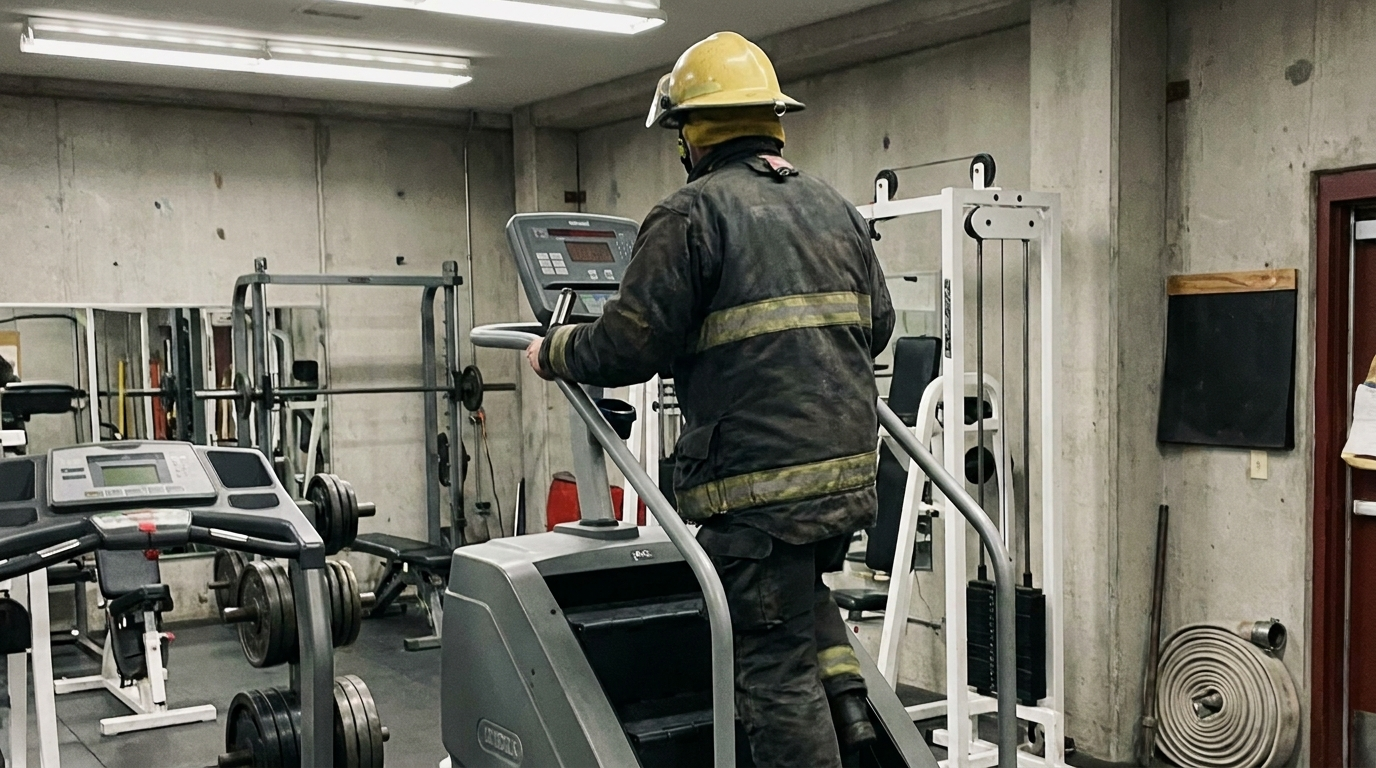
The Candidate Physical Ability Test (CPAT) is the standardized physical test most California departments use to measure whether you can handle the physical demands of the job. It is pass or fail, it is timed, and it is done wearing weight. This article walks through all eight events, what each one demands, and a training approach that gets you ready without wrecking your body.
What the CPAT Actually Is
The 8 CPAT events
50-lb vest · back to back · 10 minutes 20 seconds
Confirm the current standard with Cal-JAC / your department
The CPAT is eight events on a continuous, closed course. You wear a 50-pound weighted vest the entire time to simulate protective gear, plus an additional 25-pound weight on the shoulders during the first event, the stair climb, to simulate carrying a hose pack. You must complete all eight events in 10 minutes and 20 seconds. If you fail any single event or run out of time, you fail the whole test.
A passing CPAT card is generally valid for 12 months. That validity window matters, so plan your test date around when your target departments are hiring. In California, the CPAT costs $160, which includes the test and two orientation sessions. If cost is a barrier, the California Fire Foundation partners with FCTC to cover CPAT and related fees for candidates who qualify (details on the FCTC financial aid page).
One important note: not every California department uses the CPAT. Some use the Biddle Physical Agility Test or their own physical test. Confirm which one your department requires before you pay.
The 8 CPAT Events
You wear the 50-pound vest for all of them. Here is what each demands.
1. Stair Climb
On a StairMaster-style machine, you climb for a set time. This is the event with the extra 25 pounds added (75 pounds total on you). It taxes your legs and lungs right at the start, before you have done anything else. Grip is limited, and there are rules against grabbing the rails for support.
2. Hose Drag
You grab an uncharged hoseline, drag it a set distance, then drop to one knee and pull the remaining hose toward you hand over hand. This hits your legs, core, grip, and back. Driving with your legs, not yanking with your arms, is the key.
3. Equipment Carry
You remove saws or similar equipment from a cabinet, carry them a distance, set them down, then return them. It tests grip endurance and shoulder stability while walking under load.
4. Ladder Raise and Extension
You raise a ground ladder against a wall, then use the halyard rope hand over hand to extend the fly section and lower it back. This is grip, shoulders, and controlled technique. Rushing causes mistakes here.
5. Forcible Entry
Using a sledgehammer, you strike a measuring device until a buzzer sounds, simulating breaking through a door or wall. This is full-body power and grip. Good hip and core mechanics matter more than raw arm strength.
6. Search
You crawl through a dark, enclosed tunnel with turns and obstacles, simulating searching a structure. It tests your ability to move on hands and knees under load in tight space, and it can rattle people who dislike confined spaces.
7. Rescue Drag
You grab a weighted mannequin (representing a victim) and drag it backward a set distance around an obstacle. This is a leg and grip event, and it comes late in the course when you are already tired.
8. Ceiling Breach and Pull
Using a pike pole, you push up on a hinged panel overhead and pull down on another in repeated cycles, simulating pulling a ceiling to check for fire. Your shoulders and grip are burning by now, which is exactly the point.
How to Train for It
The CPAT rewards a specific kind of fitness: muscular endurance, grip strength, and the ability to keep moving with weight on you while your heart rate is high. Pure strength or pure cardio alone will not carry you. Here is a smart approach.
Build a Base First
If you are not currently active, spend the first few weeks building general conditioning before you push hard. Steady cardio (fast walking, stair climbing, rucking with a weighted pack), basic strength work (squats, deadlifts, lunges, rows, presses, farmer carries), and core work. Rushing into event-specific training with no base is how people get hurt.
Train Grip and Legs Relentlessly
Nearly every event uses your grip and your legs. Farmer carries, dead hangs, hose or rope pulls, heavy carries, step-ups, and stair work translate directly. If you only had time for two things, it would be these.
Train With Weight On
The vest changes everything. Get comfortable moving under load. Weighted stair climbing and rucking build the exact engine the CPAT tests. Start light, add gradually.
Practice Sustained Effort
The test is one continuous push of a little over ten minutes at high effort. Train circuits that keep your heart rate up while you move between strength tasks, so the pace does not surprise you on test day.
Use the Orientations
The CPAT fee includes orientation sessions where you can try the actual equipment. Use them. Feeling the real hose, ladder, and sled removes surprises and shows you where your weak events are so you can target them.
A Rough Timeline
If you are starting from a modest fitness level, give yourself roughly 8 to 12 weeks of focused training before test day, longer if you are starting from scratch. Taper the last few days so you arrive fresh, not sore. Do not test the same week you did your hardest training.
Test-Day Tips
- Pace the stair climb. Going out too hard with the extra 25 pounds wrecks the rest of the course.
- Drive with your legs on the drags and the forcible entry. Save your grip.
- Move steadily and technically. Small penalties and mistakes add up.
- Breathe. Panic in the search tunnel or on the last events costs time and energy.
Where This Fits
The CPAT is one gate among several. Most departments also want an EMT at some stage, academy training before hire or through their own academy, and in many cases the FCTC written test. Each department sets its own mix, so confirm the current bulletin. See the full path in How to Become a Firefighter in California, and confirm your certification order with the free EMT-to-Badge Roadmap.
FAQ
How hard is the CPAT?
It is demanding but very passable with focused training. It is not a max-strength test. It rewards grip, leg endurance, and the ability to keep moving with 50 pounds on you for about ten minutes. Most prepared candidates pass.
How long is a CPAT card valid?
Generally 12 months from the date you pass. Time your test so the card is current when your target departments are hiring.
How much does the CPAT cost in California?
Commonly around $160, which includes the test and two orientations. Financial aid through the California Fire Foundation can cover it for candidates who qualify. Confirm current pricing with the testing provider.
Do all California departments use the CPAT?
No. Many do, but some use the Biddle Physical Agility Test or their own physical test (Anaheim and Ventura County are examples). Always confirm which physical test your target department requires before paying.
How long should I train before taking the CPAT?
If you have a modest fitness base, plan for roughly 8 to 12 weeks of focused training, longer if you are starting from scratch. Build a general base first, then train grip, legs, and weighted movement, and taper before test day.
What is the CPAT and what events are on it?
The CPAT is the standardized firefighter physical test most California departments accept, administered here by FCTC on behalf of Cal-JAC. It is eight timed events on one continuous course, done in a 50-pound vest, with an extra 25 pounds on the stair climb, and you must finish in 10 minutes and 20 seconds. The eight are stair climb, hose drag, equipment carry, ladder raise and extension, forcible entry, search, rescue drag, and ceiling breach and pull.
How do I train for and pass the CPAT?
The single best move is to attend the included orientations and any practice runs, since candidates who feel the real equipment first tend to pass at a higher rate. Beyond that, train the specific demands: grip strength, leg endurance, upper body, and sustained cardio while moving under load. Weighted stair climbing and rucking build the exact engine the test rewards. Confirm your department actually uses the CPAT, and time the card around real hiring windows.
What happens if I fail the CPAT?
The CPAT is strictly pass or fail, so you cannot be ranked by how fast you finish, only whether you complete it in time. Failing any single event fails the whole test, even if you sailed through the other seven. The good news is you can retest. If you fail, identify the event that got you, target it in training, and book another attempt. Confirm retest timing and fees with the testing provider, since these can vary.
Is the CPAT harder for women, and how should women prepare?
The standard is identical for everyone. There is no separate time or lighter vest. That said, grip strength and the stair climb are often the limiters for smaller or lighter candidates, so build those hard and get comfortable moving under the 50-pound load. The highest-leverage step is attending the orientations and practice runs to feel the real equipment before test day. Plenty of women pass with focused, event-specific training.
Get a Training Plan
Start early, train the right things, and give yourself margin on test day.
Sources
- FCTC CPAT - Firefighter Candidate Testing Center (8 events, 50-lb vest, 25-lb stair-climb add, 10:20 time limit, two included orientations)
- FCTC Fees and Financial Aid - Firefighter Candidate Testing Center ($160 CPAT fee, $30 practice test)
- FCTC Statewide Eligibility List - Firefighter Candidate Testing Center (12-month CPAT card validity as applied by departments)
- FCTC Financial Awards - California Fire Foundation (CPAT and related fees covered for qualifying candidates)
Note: the eight-event descriptions follow the standardized IAFF/IAFC Candidate Physical Ability Test as administered in California by FCTC on behalf of Cal-JAC. The training-plan and timeline guidance is general fitness advice, not an official standard.
Golden State Firefighter is an independent resource. We are not affiliated with CAL FIRE, the FCTC, the IAFF/IAFC, or any fire department. Test standards, fees, and department requirements change and vary, so always verify details with the testing provider, the department, and official sources before you rely on them. No outcome is guaranteed.